The Evolution of the World Cup: 1930 to 2022
 James Wilson25 June 2023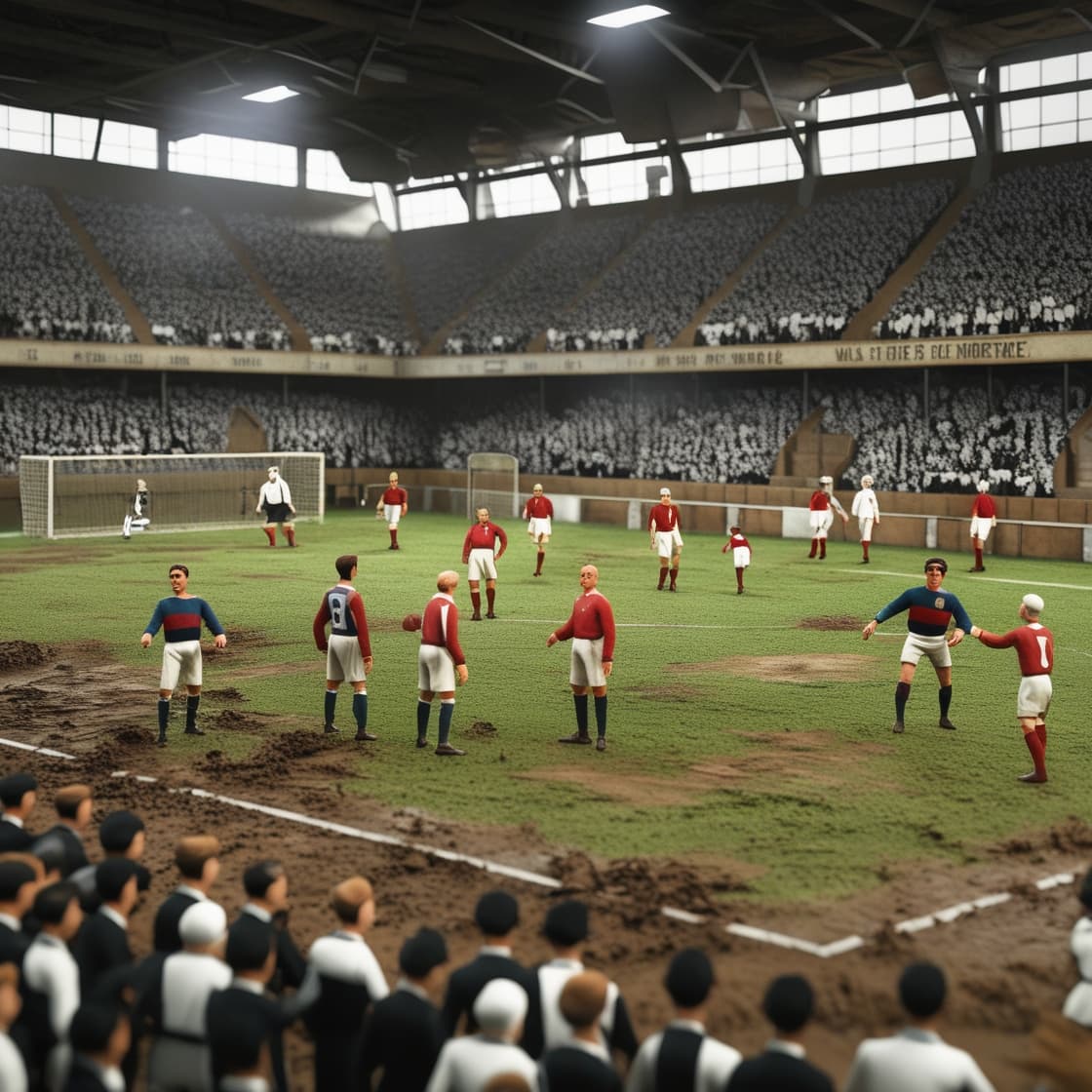
The inaugural FIFA World Cup in 1930 was a far cry from today's global spectacle. Held in Uruguay with just 13 teams (all invited, no qualifications), the tournament was won by the hosts. The Jules Rimet trophy, named after the FIFA president who initiated the competition, would be contested until 1970. The early tournaments were marked by long sea voyages for European teams and political controversies that sometimes overshadowed the football.
The World Cup grew steadily through the mid-20th century, with television coverage in the 1950s and 1960s bringing the tournament to global audiences. The 1970 tournament in Mexico introduced color TV broadcasts and innovations like substitutions and yellow/red cards. The 1982 expansion to 24 teams (later 32 in 1998) reflected football's growing worldwide popularity and gave more nations the chance to compete on the biggest stage.
Recent World Cups have broken viewership records while facing new challenges. The 2022 Qatar World Cup was the first held in winter and in an Arab country, highlighting FIFA's efforts to globalize the sport. Despite controversies, the World Cup remains football's ultimate prize, with the 2026 edition set to feature 48 teams across three North American countries, marking another evolutionary step for this historic tournament.
Technological advances have transformed the modern World Cup experience both on and off the pitch. From goal-line technology and VAR to advanced broadcast techniques, new tools have improved refereeing accuracy and brought fans closer to the action with immersive coverage.
The expansion of the tournament has also driven debates about quality versus inclusivity. While more teams mean broader global representation and greater opportunity for emerging football nations, some observers worry about fixture congestion and the dilution of competitive balance in the group stages.
Economics and infrastructure have become central to host selection and legacy planning. Recent editions have shown that hosting the World Cup can catalyze major public investments — sometimes sparking long-term benefits, and other times raising questions about cost, sustainability, and long-term usage of facilities.
Despite these shifts, the World Cup continues to generate transcendent moments that define generations — unexpected heroes, national catharses, and dramatic finals that resonate far beyond sport. Its ability to reflect global change while still producing pure football drama is why the tournament endures.
Technological advances have transformed the modern World Cup experience both on and off the pitch. From goal-line technology and VAR to advanced broadcast techniques, new tools have improved refereeing accuracy and brought fans closer to the action with immersive coverage.
The expansion of the tournament has also driven debates about quality versus inclusivity. While more teams mean broader global representation and greater opportunity for emerging football nations, some observers worry about fixture congestion and the dilution of competitive balance in the group stages.
Economics and infrastructure have become central to host selection and legacy planning. Recent editions have shown that hosting the World Cup can catalyze major public investments — sometimes sparking long-term benefits, and other times raising questions about cost, sustainability, and long-term usage of facilities.
Despite these shifts, the World Cup continues to generate transcendent moments that define generations — unexpected heroes, national catharses, and dramatic finals that resonate far beyond sport. Its ability to reflect global change while still producing pure football drama is why the tournament endures.